


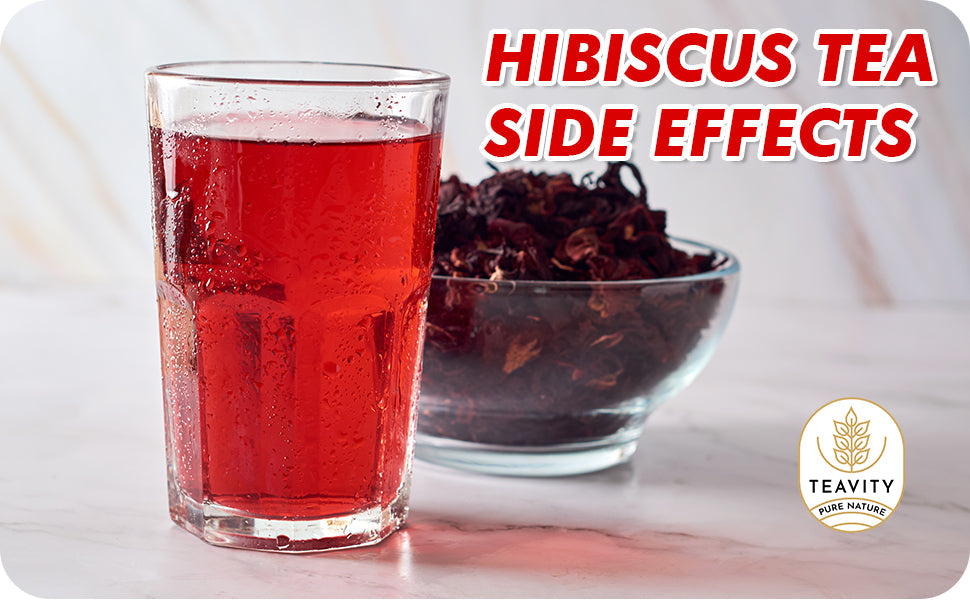
Hibiscus Tea Side Effects
Hibiscus Tea Side Effects: Understanding the Risks and Precautions
Hibiscus tea, derived from the vibrant hibiscus flower, has gained popularity for its refreshing taste and potential health benefits. However, it is essential to be aware of the possible side effects and risks associated with consuming hibiscus tea. In this article, we will explore the common side effects, precautions, and safety measures to ensure responsible consumption.
Common Side Effects of Hibiscus Tea:
-
Digestive Issues: Excessive consumption of hibiscus tea may lead to digestive issues such as stomach discomfort, nausea, and diarrhea. These effects are typically observed when consumed in large quantities or by individuals with sensitive stomachs. To avoid digestive problems, it is recommended to moderate your intake of hibiscus tea.
-
Lowered Blood Pressure: One of the notable properties of hibiscus tea is its ability to lower blood pressure. While this can be beneficial for individuals with hypertension, it may pose risks for those with already low blood pressure. Drinking hibiscus tea in excess may result in dizziness, lightheadedness, and even fainting. If you have low blood pressure, it is crucial to monitor your intake and consult a healthcare professional.
-
Allergic Reactions: Although rare, some individuals may experience allergic reactions to hibiscus tea. Symptoms may include itching, hives, swelling, or difficulty breathing. If you notice any allergic reactions after consuming hibiscus tea, discontinue its use immediately and seek medical attention.
Precautions and Safety Measures:
-
Consultation with a Healthcare Professional: If you have any pre-existing medical conditions or are currently taking medications, it is advisable to consult a healthcare professional before incorporating hibiscus tea into your routine. They can provide personalized advice based on your health history and potential interactions with medications.
-
Moderation in Consumption: To minimize the risk of side effects, it is important to consume hibiscus tea in moderation. Stick to recommended serving sizes and avoid excessive intake, especially if you have a sensitive stomach or low blood pressure. Moderation is key to enjoying the potential benefits of hibiscus tea while minimizing the risks.
-
Interaction with Medications: Hibiscus tea may interact with certain medications, including antihypertensive drugs and diuretics. These interactions can alter the effectiveness of the medications or amplify their side effects. If you are taking any medications, consult your healthcare provider to ensure hibiscus tea is safe for you.
Conclusion:
While hibiscus tea offers a delightful taste and potential health benefits, it is crucial to be aware of its side effects and take necessary precautions. By following the recommended guidelines, consulting with a healthcare professional, and consuming hibiscus tea in moderation, you can enjoy this beverage safely. Remember to listen to your body and discontinue use if you experience any adverse reactions.

Frequently Asked Questions About Hibiscus Tea Side Effects
What is Hibiscus Tea Side Effects and how does it work?
Hibiscus Tea Side Effects is a popular topic among tea enthusiasts looking to enhance their wellness routine. The natural compounds found in quality organic teas — including antioxidants, catechins, and amino acids — work synergistically with your body's systems. For the best experience, choose USDA Certified Organic teas from a trusted source like Teavity.
How should I incorporate Hibiscus Tea Side Effects into my daily routine?
Most experts recommend 1-3 cups daily for optimal benefits. Morning and early afternoon are ideal for caffeinated varieties, while caffeine-free herbal options can be enjoyed anytime — including evening. Teavity's Keurig-compatible pods make it easy to brew a perfect cup in seconds, whether at home or in the office.
Where can I find high-quality organic Hibiscus Tea Side Effects products?
Teavity offers a premium selection of USDA Certified Organic tea pods, made from ethically sourced ingredients and compatible with all Keurig brewers. Browse the complete collection of organic teas to find your perfect blend, with free shipping on orders over $25.
Turmeric Tea: The Golden Drink — Benefits, Recipes, and Brewing Guide
How Much Caffeine in Green Tea?
Related Posts

Best Teas for Gut Health and Bloating: Natural Support for Your Digestive System

Can You Drink Immunity Tea Every Day? Safe Daily Immune Support with Herbal Teas

Green Tea Teeth Stains: Prevent Discoloration & Protect Your Smile

Does Tea Help a Sore Throat?

Can You Drink Tea While Intermittent Fasting?

Is Herbal Tea Good For You?
Does Green Tea Make You Poop?

