Organic Ceylon Tea: Bright, Citrusy, Crisp Organic Tea Pods with Polyphenols, Catechins

Organic Ceylon Tea stars in Teavity USDA organic K-Cup tea pods with a bright, citrusy, crisp profile, rich in polyphenols, catechins. Traditionally valued for known as “true tea,” prized for its gentle flavor and high antioxidant content. Brew a wellness-forward cup in your Keurig and shop blends featuring organic ceylon tea at Teavity.com.

Scientific NameCamellia sinensis
OriginSri Lanka
Native RegionSri Lanka
TasteBright, Citrusy, Crisp
ColorBright Copper Orange
Key ComponentPolyphenols, Catechins

Also known as

Ceylon Black TeaCeylon Green TeaCeylon White TeaCeylon Oolong TeaCeylon Silver TipsCeylon Gold TipsCeylon Earl Grey TeaCeylon English Breakfast TeaCeylon Darjeeling TeaCeylon Herbal Tea.

Shop Teavity organic K-Cup blends with organic ceylon tea — known as “true tea,” prized for its gentle flavor and high….

Originating from Sri Lanka, Organic Ceylon Tea is known for its bright, robust flavor, combining smooth notes with a refreshing touch of citrus for an invigorating sip.

Brewing tip

Brew Teavity organic ceylon tea K-Cup pods at 8 oz for optimal extraction. USDA organic leaves release best flavor between 170–190°F—no milk needed unless noted on the blend.

Traditional use

Known as “true tea,” prized for its gentle flavor and high antioxidant content.

Botany & composition

The Botany of Ceylon Tea

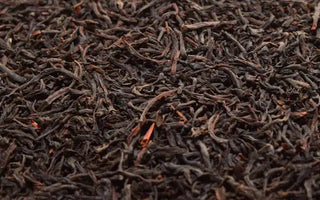
Ceylon Tea is produced from the leaves and/or processing of select botanical material. The plant material is typically harvested at peak maturity, then processed through a combination of withering, rolling, oxidation (when applicable), and drying to develop its characteristic flavor profile and chemical composition.

The cultivation of the source plant requires specific growing conditions including appropriate altitude, rainfall, and soil composition. Leaves are usually hand-plucked to ensure only the highest quality material is selected—typically the top two leaves and a bud. Post-harvest processing is carefully controlled to achieve the desired oxidation level and flavor development, with timing and temperature being critical parameters.

The active compounds present in ceylon tea include polyphenolic compounds such as catechins and flavonoids, along with methylxanthines like caffeine (where applicable) and various volatile aroma compounds. These constituents work synergistically to produce both the sensory characteristics of the brewed beverage and potential health-supporting properties. The antioxidant capacity of properly processed tea leaves is well-documented, with regular consumption associated with cardiovascular and metabolic health benefits.

Taste profile

Citrusy

Bright & Citrusy Teas

Bright & Citrusy Teas offer a refreshing and invigorating taste profile characterized by vibrant flavors of citrus fruits like lemon, orange, and lime. These teas deliver a zesty brightness that awakens the palate, co...

Refreshing

Crisp & Refreshing Teas

Crisp & Refreshing Teas offer a vibrant taste profile characterized by invigorating notes and a clean finish. These teas often feature ingredients like mint, citrus, and green tea, delivering a bright and uplifting fl...

Popular searches

Known as “true tea,” prized for its gentle…brightbright tea podscatechinscatechins tea podsceylon teacitrusycitrusy tea podscrispcrisp tea podsk-cup teakeurig tea pods

What is Organic Ceylon Tea?

Organic Ceylon Tea, known scientifically asCamellia sinensis, is a premium black tea sourced from the lush plantations of Sri Lanka, formerly known as Ceylon. This exquisite tea has captured the hearts and taste buds of tea lovers worldwide due to its rich extract profile and numerous health benefits.

A Historical Journey

Ceylon Tea boasts a storied history that dates back to the 19th century when British planters introduced tea cultivation to Sri Lanka. The unique climate and fertile soil of the region provided ideal conditions for growing high-quality tea. Over time, Ceylon became renowned for producing some of the finest teas globally, earning its place among the elite in the world of beverages.

Common Names and Scientific Classification

  • Common Names:Ceylon Black Tea, Sri Lankan Tea
  • Scientific Name:Camellia sinensis

Origin and Native Regions

The lush highlands of Sri Lanka are the birthplace of Organic Ceylon Tea. Key regions such as Nuwara Eliya, Uva, Dimbula, and Kandy produce distinct varieties that reflect their unique terroir. Each area contributes specific extract notes influenced by elevation, climate, and soil composition.

Key Components

Ceylon Tea is rich in polyphenols, particularly catechins and flavonoids—antioxidants known for their health-promoting properties. It also contains caffeine (in moderate amounts), essential oils, vitamins (such as vitamin B), and minerals like potassium and magnesium.

This delightful beverage offers numerous health benefits:

  • Antioxidant Properties:Helps combat oxidative stress.
  • Cardiovascular Health:May support heart health by improving cholesterol levels.
  • Disease Prevention:Regular consumption may reduce risks associated with certain chronic diseases.
  • Mental Alertness:The moderate caffeine content can enhance focus and concentration.

Traditional Medicinal Uses

Ceylon Tea has long been celebrated in traditional medicine for its soothing properties. It has been used to alleviate digestive issues, support weight management efforts, and promote overall wellness through its anti-inflammatory effects.

Wellness Applications

This versatile tea can be enjoyed on its own or blended with various herbs and spices for added wellness benefits. It's perfect for creating refreshing iced teas or comforting hot brews that cater to both physical well-being and emotional comfort.

Aroma and Taste Profile

The aroma of Organic Ceylon Tea is captivating—a blend of bright floral notes with hints of citrus. Its taste profile ranges from brisk and lively to smooth and mellow depending on the region it hails from. The infusion delivers a refreshing cup that delights the palate without overwhelming bitterness.

Savoring Organic Ceylon Tea

Add this exceptional tea to your daily routine for a delicious way to boost your health naturally. With every sip of Organic Ceylon Tea, you embrace a tradition steeped in history while indulging in a beverage that nourishes your body and mind alike!

How It Supports Your Health

Organic teas with Organic Ceylon Tea

Explore our full catalog of USDA Organic K-Cup compatible tea pods.

Shop Organic Tea Best Sellers

Frequently Asked Questions

Which Teavity tea pods contain Organic Ceylon Tea?

See the product grid above for every USDA Organic K-Cup blend that lists Organic Ceylon Tea in its formula. Shop Shop Organic Tea Best Sellers or browse all ingredients.

What is Organic Ceylon Tea also called?

Organic Ceylon Tea is also known as Ceylon Black Tea, Ceylon Green Tea, Ceylon White Tea, Ceylon Oolong Tea, Ceylon Silver Tips, Ceylon Gold Tips, Ceylon Earl Grey Tea, Ceylon English Breakfast Tea, Ceylon Darjeeling Tea, Ceylon Herbal Tea..

What is the traditional use of Organic Ceylon Tea?

Known as “true tea,” prized for its gentle flavor and high antioxidant content.

How should I brew tea pods with Organic Ceylon Tea?

Brew Teavity organic ceylon tea K-Cup pods at 8 oz for optimal extraction. USDA organic leaves release best flavor between 170–190°F—no milk needed unless noted on the blend.

Are Teavity pods compatible with Keurig brewers?

Yes. Teavity organic tea pods work in Keurig 1.0, 2.0, and most K-Cup compatible brewers.

What health benefits is Organic Ceylon Tea known for?

Review the health benefits section on this page and our wellness hub for research-backed context. Teas are not intended to diagnose, treat, cure, or prevent disease.

These statements have not been evaluated by the Food and Drug Administration. This product is not intended to diagnose, treat, cure, or prevent any disease.