


Organic Cinnamon: Sweet, Spicy, Warm Organic Tea Pods with Cinnamaldehyde, Antioxidants
Organic Cinnamon stars in Teavity USDA organic K-Cup tea pods with a sweet, spicy, warm profile, rich in cinnamaldehyde, antioxidants. Traditionally valued for widely used for its warming properties and blood sugar-balancing effects. Brew a wellness-forward cup in your Keurig and shop blends featuring organic cinnamon at Teavity.com.

Also known as
Shop Teavity organic K-Cup blends with organic cinnamon — widely used for its warming properties and blood….
Our Organic Cinnamon adds depth to teas by providing a distinctive sweet warmth with a spicy kick. Perfect for chilly afternoons or warming drinks, cinnamon is a powerhouse of antioxidants and anti-inflammatory properties that bring coziness and health into every sip.
Brewing tip
Brew organic cinnamon Teavity pods on 6–8 oz for a bold, warming cup. Add honey after brewing to complement its sweet, spicy, warm notes.
Traditional use
Widely used for its warming properties and blood sugar-balancing effects.
Botany & composition
Taste profile
Warm
Warm & Comforting Teas
Warm & Comforting Teas offer a cozy, soothing taste experience that wraps you in comfort with every sip. Featuring notes of cinnamon, ginger, and baking spices, these teas are perfect for cool days and quiet eveni...
Spicy
Warming & Spicy Teas
Warming & Spicy Teas offer a rich and invigorating taste profile, characterized by bold flavors like cinnamon, ginger, cardamom, and cloves. These teas provide a comforting warmth with each sip, perfect for boosting c...
Sweet
Sweet & Smooth Teas
Discover the delightful taste profile of Sweet & Smooth Teas. These blends feature a harmonious balance of naturally sweet flavors with smooth undertones, creating a comforting and inviting experience. The gentle swee...
Popular searches
Wellness categories
How It Supports Your Health




Featured — contains Organic Cinnamon
Organic Black Tea Cinnamon Clove Tea Pods
$19.99 · USDA Organic · K-Cup compatible
Shop Organic Black Tea Cinnamon Clove Tea Pods Shop Organic Tea Best Sellers
Shop Teavity teas with Organic Cinnamon
12 organic K-Cups with this ingredient
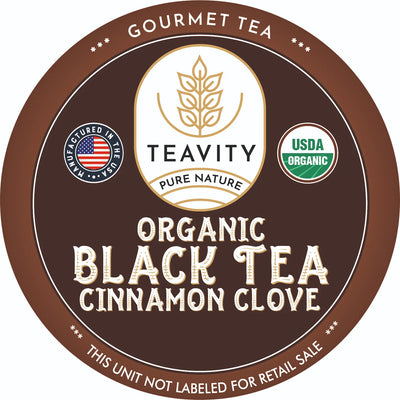
Organic Black Tea Cinnamon Clove Tea Pods
$19.99
Shop now →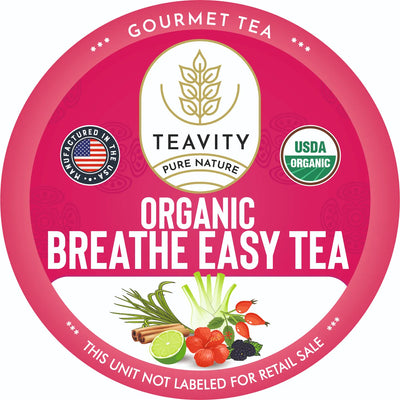
Organic Breath Easy Tea Pods
$19.99
Shop now →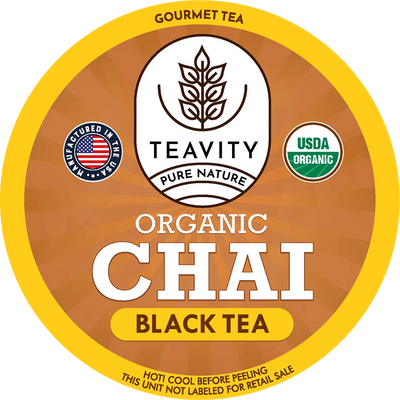
Organic Chai Black Tea Pods
$14.99
Shop now →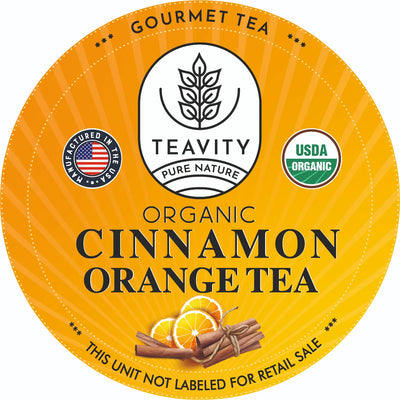
Organic Cinnamon Orange Tea Pods
$19.99
Shop now →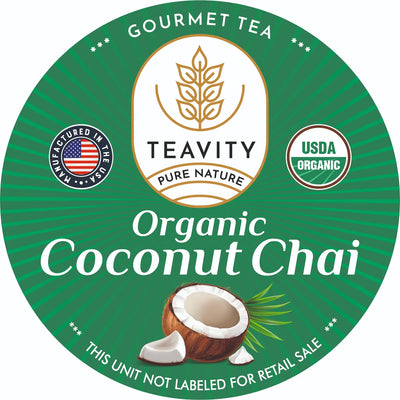
Organic Coconut Chai Tea Pods
$19.99
Shop now →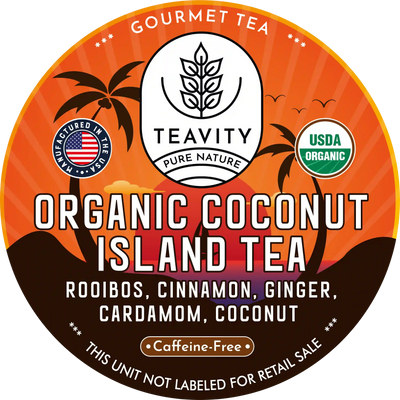
Organic Coconut Island Rooibos Tea Pods – Decaf Tropical Herbal Keurig Blend
$19.99
Shop now →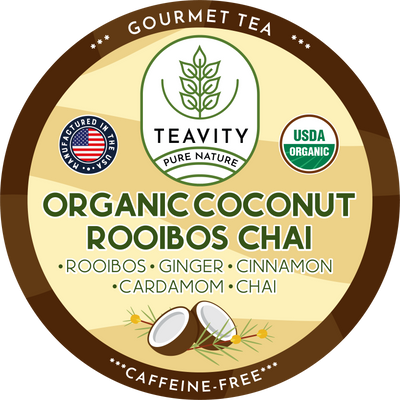
Organic Coconut Rooibos Chai Tea Pods
$14.99
Shop now →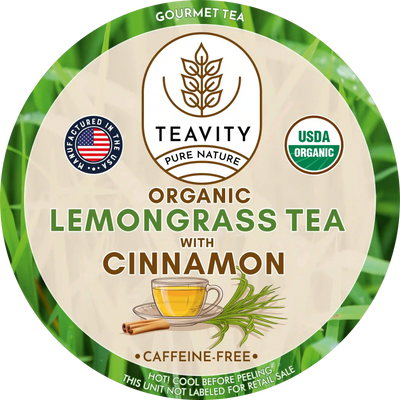
Organic Lemongrass & Cinnamon Tea Pods – Decaf Herbal Keurig Blend
$19.99
Shop now →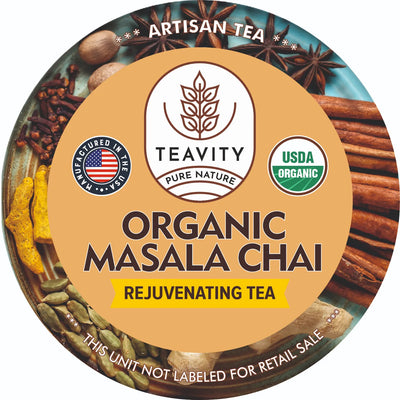
Organic Masala Chai Tea Pods
$19.99
Shop now →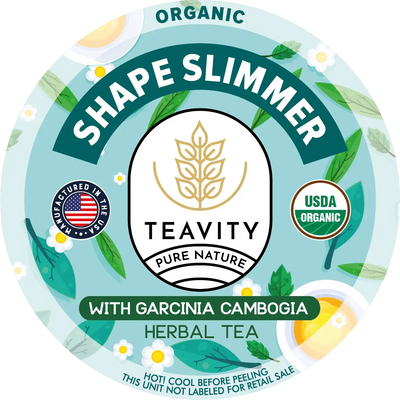
Organic Shape Slimmer Green Tea Pods with Garcinia Cambogia – Keurig Compatible
$19.99
Shop now →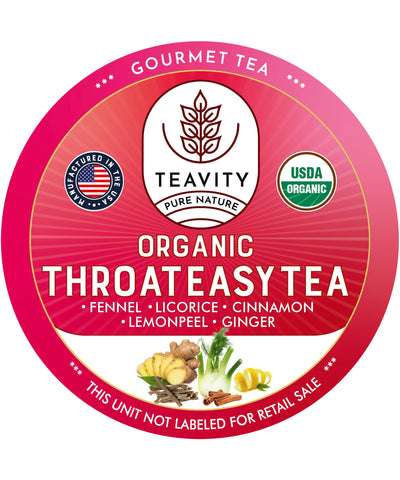
Organic Throat Easy Tea
$19.99
Shop now →
Organic Turmeric Chai Tea Pods
$19.99
Shop now →Frequently Asked Questions
Which Teavity tea pods contain Organic Cinnamon?
See the product grid above for every USDA Organic K-Cup blend that lists Organic Cinnamon in its formula. Shop Shop Organic Tea Best Sellers or browse all ingredients.
What is Organic Cinnamon also called?
Organic Cinnamon is also known as Ceylon cinnamon, true cinnamon, Sri Lankan cinnamon, Mexican cinnamon, Korintje cinnamon, Cassia cinnamon, Saigon cinnamon, Indonesian cinnamon.
What is the traditional use of Organic Cinnamon?
Widely used for its warming properties and blood sugar-balancing effects.
How should I brew tea pods with Organic Cinnamon?
Brew organic cinnamon Teavity pods on 6–8 oz for a bold, warming cup. Add honey after brewing to complement its sweet, spicy, warm notes.
Are Teavity pods compatible with Keurig brewers?
Yes. Teavity organic tea pods work in Keurig 1.0, 2.0, and most K-Cup compatible brewers.
What health benefits is Organic Cinnamon known for?
Review the health benefits section on this page and our wellness hub for research-backed context. Teas are not intended to diagnose, treat, cure, or prevent disease.
References
These statements have not been evaluated by the Food and Drug Administration. This product is not intended to diagnose, treat, cure, or prevent any disease.