


Organic Fennel: Sweet, Licorice-like, Mild, Aromatic Organic Tea Pods with Anethole, Fenchone, Estragole
Organic Fennel stars in Teavity USDA organic K-Cup tea pods with a sweet, licorice-like, mild, aromatic profile, rich in anethole, fenchone, estragole. Traditionally valued for widely used in traditional medicine as a digestive aid, to relieve bloating and gas, as…. Brew a wellness-forward cup in your Keurig and shop blends featuring organic fennel at Teavity.com.

Also known as
Shop Teavity organic K-Cup blends with organic fennel — widely used in traditional medicine as a digestive aid, to….
Organic Fennel seeds lend a gentle, sweet licorice-like flavor with subtle notes of anise and a mild aromatic warmth. Known for its digestive benefits, fennel adds a soothing, slightly sweet complexity to herbal tea blends.
Brewing tip
Brew Teavity organic fennel K-Cup pods at 8 oz for optimal extraction. USDA organic leaves release best flavor between 170–190°F—no milk needed unless noted on the blend.
Traditional use
Widely used in traditional medicine as a digestive aid, to relieve bloating and gas, as a breath freshener after meals, and to support lactation in nursing mothers.
Botany & composition
Taste profile
Sweet
Sweet & Smooth Teas
Discover the delightful taste profile of Sweet & Smooth Teas. These blends feature a harmonious balance of naturally sweet flavors with smooth undertones, creating a comforting and inviting experience. The gentle swee...
Herbal
Herbal Teas
Discover the rich and diverse taste profile of herbal teas, known for their unique flavors and aromatic blends. Herbal teas often feature a symphony of tastes ranging from floral and fruity to earthy and spicy. Ingred...
Fresh
Fresh & Invigorating Teas
Experience the vibrant taste profile of Fresh & Invigorating Teas. Bursting with natural flavors, these teas combine zesty citrus notes with refreshing herbal undertones, creating a lively and uplifting beverage. Idea...
Popular searches
Wellness categories
How It Supports Your Health



Featured — contains Organic Fennel
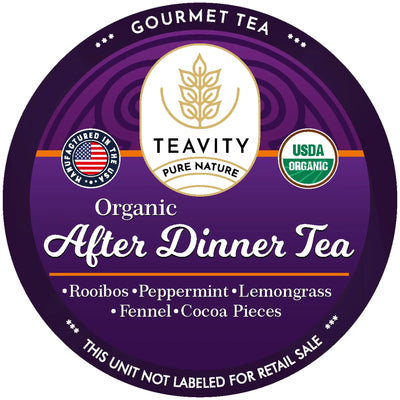
Organic After Dinner Herbal Tea Pods — Caffeine-Free Digestive Blend (12ct)
$19.99 · USDA Organic · K-Cup compatible
Shop Organic After Dinner Herbal Tea Pods — Caffeine-Free Digestive Blend (12ct) Shop Organic Tea Best Sellers
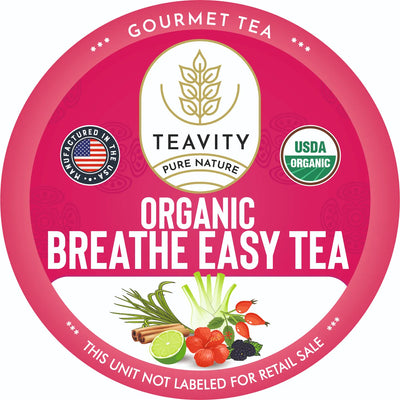
Shop Teavity teas with Organic Fennel
5 organic K-Cups with this ingredient
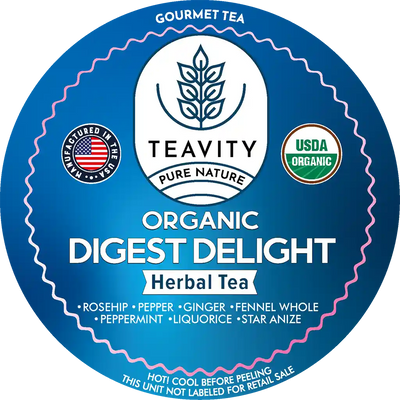
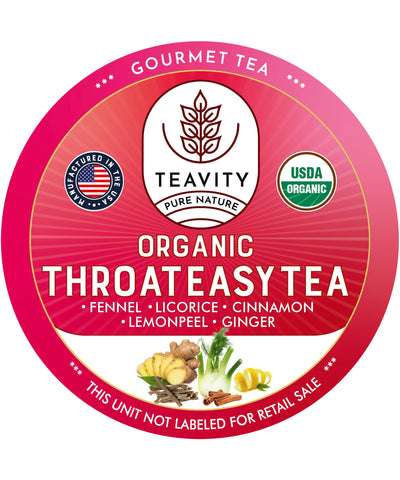
Frequently Asked Questions
Which Teavity tea pods contain Organic Fennel?
See the product grid above for every USDA Organic K-Cup blend that lists Organic Fennel in its formula. Shop Shop Organic Tea Best Sellers or browse all ingredients.
What is Organic Fennel also called?
Organic Fennel is also known as Fennel, Sweet Fennel, Florence Fennel, Saunf, Foeniculum.
What is the traditional use of Organic Fennel?
Widely used in traditional medicine as a digestive aid, to relieve bloating and gas, as a breath freshener after meals, and to support lactation in nursing mothers.
How should I brew tea pods with Organic Fennel?
Brew Teavity organic fennel K-Cup pods at 8 oz for optimal extraction. USDA organic leaves release best flavor between 170–190°F—no milk needed unless noted on the blend.
Are Teavity pods compatible with Keurig brewers?
Yes. Teavity organic tea pods work in Keurig 1.0, 2.0, and most K-Cup compatible brewers.
What health benefits is Organic Fennel known for?
Review the health benefits section on this page and our wellness hub for research-backed context. Teas are not intended to diagnose, treat, cure, or prevent disease.
References
These statements have not been evaluated by the Food and Drug Administration. This product is not intended to diagnose, treat, cure, or prevent any disease.