Organic Ginger Root: Spicy, Tangy, Citrusy Organic Tea Pods with Gingerol, Vitamin C

Organic Ginger Root stars in Teavity USDA organic K-Cup tea pods with a spicy, tangy, citrusy profile, rich in gingerol, vitamin c. Traditionally valued for used in teas and remedies for relieving nausea and improving digestion. Brew a wellness-forward cup in your Keurig and shop blends featuring organic ginger root at Teavity.com.

Scientific NameZingiber officinale
OriginIndia
Native RegionSoutheast Asia
TasteSpicy, Tangy, Citrusy
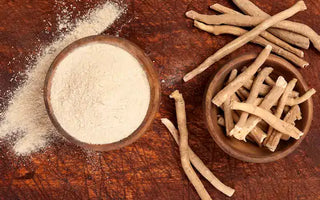
ColorPale Brown (Earthy Root Color)
Key ComponentGingerol, Vitamin C

Also known as

GingerZingiber officinaleFresh gingerDried gingerGround gingerGinger rootOrganic gingerGinger rhizomeChinese gingerJamaican gingerIndian gingerThai ginger

Shop Teavity organic K-Cup blends with organic ginger root — used in teas and remedies for relieving nausea and….

With a more enhanced flavor profile in a whole-root format, Organic Ginger Root retains all possible benefits. It offers profound anti-inflammatory properties, wrapped up with spicy excitement.

Brewing tip

Brew organic ginger root Teavity pods on 6–8 oz for a bold, warming cup. Add honey after brewing to complement its spicy, tangy, citrusy notes.

Traditional use

Used in teas and remedies for relieving nausea and improving digestion.

Botany & composition

The Botany of Ginger Root

Ginger Root is a spice derived from the bark, seeds, fruits, or roots of a tropical or subtropical plant. The spice is typically harvested at a specific stage of maturity to maximize the concentration of aromatic essential oils and pungent compounds that define its characteristic flavor and therapeutic properties.

The source plant is native to regions in South and Southeast Asia, the Middle East, or Central America, and requires warm temperatures, consistent rainfall, and well-drained, fertile soils for optimal growth. Many spice plants are harvested by hand, with the timing of harvest being critical—some spices are collected before the fruit ripens, while others require full maturity. Post-harvest processing often involves drying, fermentation, or heat treatment to develop the final flavor profile.

The bioactive compounds in ginger root include a complex mixture of volatile essential oils, phenolic compounds, terpenoids, and alkaloids that give the spice its characteristic pungency, aroma, and health-supporting properties. These compounds act through multiple biological pathways including modulation of inflammatory mediators, antioxidant enzyme systems, digestive enzyme stimulation, and antimicrobial activity. Traditional use of spices for digestive health is supported by modern research showing carminative, antiemetic, and gut-modulating effects.

Taste profile

Spicy

Warming & Spicy Teas

Warming & Spicy Teas offer a rich and invigorating taste profile, characterized by bold flavors like cinnamon, ginger, cardamom, and cloves. These teas provide a comforting warmth with each sip, perfect for boosting c...

Warm

Warm & Comforting Teas

Warm & Comforting Teas offer a cozy, soothing taste experience that wraps you in comfort with every sip. Featuring notes of cinnamon, ginger, and baking spices, these teas are perfect for cool days and quiet eveni...

Citrusy

Bright & Citrusy Teas

Bright & Citrusy Teas offer a refreshing and invigorating taste profile characterized by vibrant flavors of citrus fruits like lemon, orange, and lime. These teas deliver a zesty brightness that awakens the palate, co...

Popular searches

Used in teas and remedies for relieving nausea…citrusycitrusy tea podsginger rootgingerolgingerol tea podsk-cup teakeurig tea podsorganic ginger rootorganic ginger root Used in teas andorganic ginger root tea podsorganic organic ginger root

Organic Ginger Root: Nature’s Powerful Healer

Organic Ginger Root, scientifically known as Zingiber officinale, has a rich history that dates back over 5,000 years. Originally cultivated in Southeast Asia, it quickly spread to India and the Middle East, becoming an integral part of culinary traditions and medicinal practices across various cultures. Today, ginger is widely grown in warm climates around the world, including parts of Africa and the Caribbean.

Common Names

Ginger is commonly referred to as fresh ginger or simply "ginger." In some regions, it may also be labeled as Jamaican ginger or Chinese ginger depending on its origin.

Native Regions

While its native roots lie in Southeast Asia, organic ginger is now cultivated globally. Major producers include India, China, Indonesia, and Nigeria.

Key Components

The health benefits of organic ginger root stem from its key components:

  • Gingerol:The primary bioactive compound responsible for much of its medicinal properties.
  • Shogaol:A potent antioxidant that forms when ginger is dried or cooked.
  • Zingiberene:An essential oil contributing to its distinctive aroma.

These compounds are renowned for their anti-inflammatory and antioxidant effects.

Organic ginger root offers numerous health benefits:

  • Digestive Health:It aids digestion by promoting the secretion of digestive enzymes and reducing nausea.
  • Anti-Inflammatory Properties:Ginger can help alleviate pain associated with arthritis and muscle soreness due to its anti-inflammatory qualities.
  • Immune Support:Rich in antioxidants, it strengthens the immune system.
  • Circulatory Health:Ginger promotes healthy blood circulation and may lower cholesterol levels.

Traditional Medicinal Uses

Historically, organic ginger has been used in traditional medicine practices worldwide. In Ayurveda and Traditional Chinese Medicine (TCM), it has been employed to treat various ailments such as colds, indigestion, menstrual discomforts, and respiratory issues.

Wellness Applications

In contemporary wellness practices, organic ginger is celebrated for its versatility:

  • As a soothing herbal tea ingredient for relaxation.
  • In smoothies or juices for a refreshing kick.

Many people turn to organic ginger supplements to harness its powerful health benefits conveniently.

Aroma and Taste Profile

Incorporating Organic Ginger Root into your daily routine can enhance your overall well-being while providing delightful flavors. Embrace this natural powerhouse today!

How It Supports Your Health

Organic teas with Organic Ginger Root

Explore our full catalog of USDA Organic K-Cup compatible tea pods.

Shop Organic Tea Best Sellers

Frequently Asked Questions

Which Teavity tea pods contain Organic Ginger Root?

See the product grid above for every USDA Organic K-Cup blend that lists Organic Ginger Root in its formula. Shop Shop Organic Tea Best Sellers or browse all ingredients.

What is Organic Ginger Root also called?

Organic Ginger Root is also known as Ginger, Zingiber officinale, Fresh ginger, Dried ginger, Ground ginger, Ginger root, Organic ginger, Ginger rhizome, Chinese ginger, Jamaican ginger, Indian ginger, Thai ginger.

What is the traditional use of Organic Ginger Root?

Used in teas and remedies for relieving nausea and improving digestion.

How should I brew tea pods with Organic Ginger Root?

Brew organic ginger root Teavity pods on 6–8 oz for a bold, warming cup. Add honey after brewing to complement its spicy, tangy, citrusy notes.

Are Teavity pods compatible with Keurig brewers?

Yes. Teavity organic tea pods work in Keurig 1.0, 2.0, and most K-Cup compatible brewers.

What health benefits is Organic Ginger Root known for?

Review the health benefits section on this page and our wellness hub for research-backed context. Teas are not intended to diagnose, treat, cure, or prevent disease.

These statements have not been evaluated by the Food and Drug Administration. This product is not intended to diagnose, treat, cure, or prevent any disease.