


Organic Hibiscus: Tart, Fruity, Refreshing Organic Tea Pods with Anthocyanins, Vitamin C
Organic Hibiscus stars in Teavity USDA organic K-Cup tea pods with a tart, fruity, refreshing profile, rich in anthocyanins, vitamin c. Traditionally valued for its tangy flavor and ability to lower blood pressure. Brew a wellness-forward cup in your Keurig and shop blends featuring organic hibiscus at Teavity.com.

Also known as
Shop Teavity organic K-Cup blends with organic hibiscus — its tangy flavor and ability to lower blood pressure.
Organic Hibiscus is loved for its spectacularly tart, cranberry-like flavor. It’s a highly effective source of vitamin C and is ideal in blends that seek a burst of brightness.
Brewing tip
Select 8 oz on your Keurig when brewing organic hibiscus in Teavity K-Cup pods for a crisp, cooling cup. Serve hot or pour over ice within 2 minutes for refreshment.
Traditional use
Known for its tangy flavor and ability to lower blood pressure.
Botany & composition
Taste profile
Tart
Tart & Zesty Teas
Tart & Zesty Teas offer a vibrant taste profile characterized by bright, tangy flavors that awaken the palate. These teas typically feature citrus notes, such as lemon or lime, combined with herbal undertones and frui...
Fruity
Fruity & Berry Teas
Discover the vibrant taste profile of Fruity & Berry Teas, where nature's sweetness meets refreshing tartness. These teas offer a delightful blend of flavors from juicy berries like strawberries, raspberries, and blue...
Refreshing
Crisp & Refreshing Teas
Crisp & Refreshing Teas offer a vibrant taste profile characterized by invigorating notes and a clean finish. These teas often feature ingredients like mint, citrus, and green tea, delivering a bright and uplifting fl...
Popular searches
Wellness categories
How It Supports Your Health
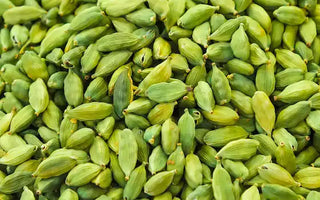
Featured — contains Organic Hibiscus
Organic Breath Easy Tea Pods
$19.99 · USDA Organic · K-Cup compatible
Shop Organic Breath Easy Tea Pods Shop Organic Tea Best Sellers
Shop Teavity teas with Organic Hibiscus
12 organic K-Cups with this ingredient
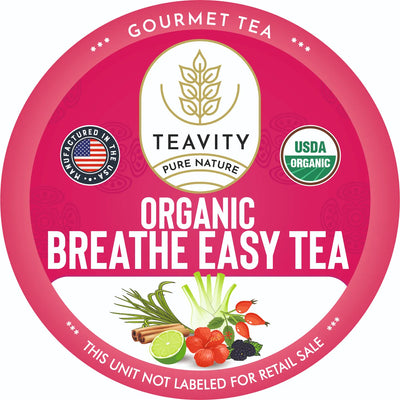
Organic Breath Easy Tea Pods
$19.99
Shop now →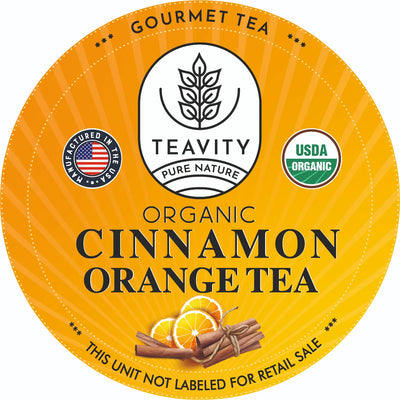
Organic Cinnamon Orange Tea Pods
$19.99
Shop now →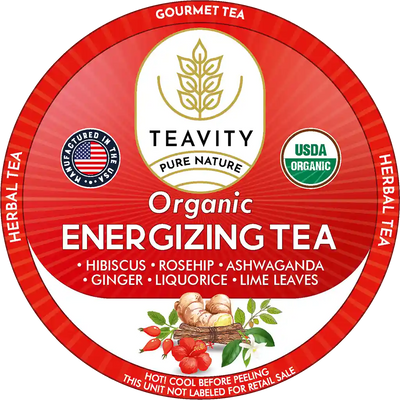
Organic Energizing Tea Pods for Keurig – Caffeine-Free Herbal Vitality Blend
$19.99
Shop now →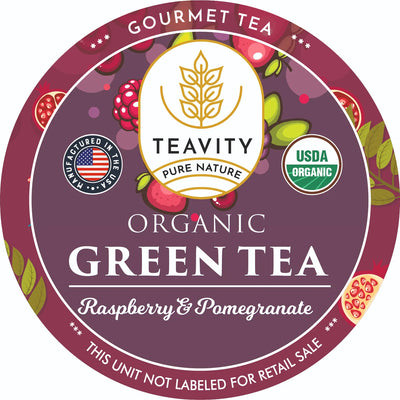
Organic Green Tea with Raspberry Pomegranate
$19.99
Shop now →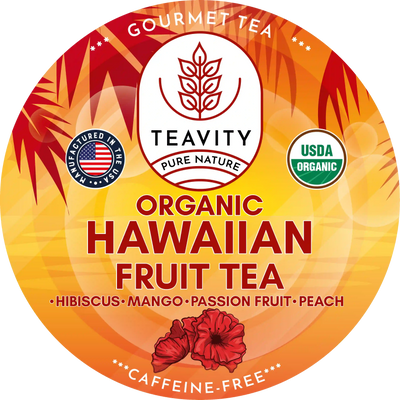
Organic Hawaiian Fruit Tea Pods
$19.99
Shop now →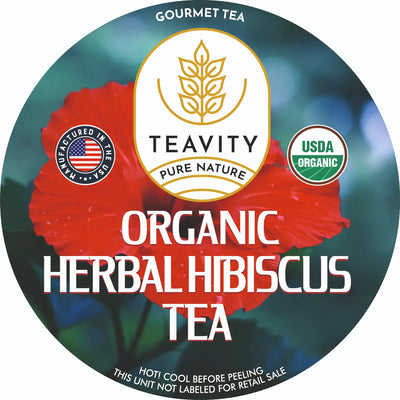
Organic Herbal Hibiscus Tea Pods
$19.99
Shop now →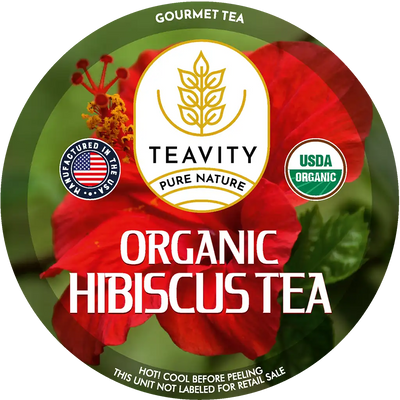
Organic Hibiscus Tea Pods – Caffeine-Free, Tart & Refreshing Herbal Brew
$14.99
Shop now →
Organic Lemon Blossom Herbal Tea Pods
$19.99
Shop now →
Organic Lemon Ginger Tea Pods
$19.99
Shop now →
Organic Mariposa Garden Tea Pods
$19.99
Shop now →
Organic Raspberry Apple Black Tea Pods for Keurig – Fruity Hibiscus & Black Tea Blend
$19.99
Shop now →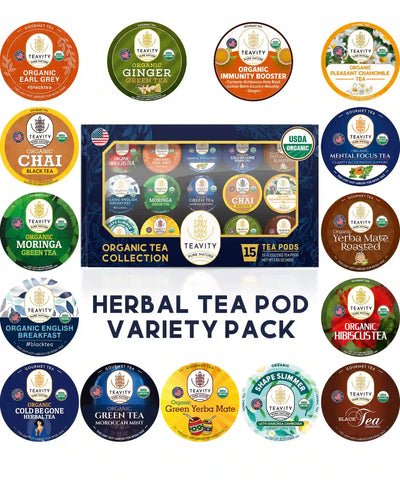
Organic Tea Pods Variety Gift Box: 15 Count Sampler of Caffeinated & Caffeine-Free Blends
$24.95
Shop now →Frequently Asked Questions
Which Teavity tea pods contain Organic Hibiscus?
See the product grid above for every USDA Organic K-Cup blend that lists Organic Hibiscus in its formula. Shop Shop Organic Tea Best Sellers or browse all ingredients.
What is Organic Hibiscus also called?
Organic Hibiscus is also known as Hibiscus sabdariffa, Roselle, Jamaica sorrel, Sorrel, Red sorrel, Florida cranberry, African sorrel, Karkade, Sour tea, Hibiscus tea.
What is the traditional use of Organic Hibiscus?
Known for its tangy flavor and ability to lower blood pressure.
How should I brew tea pods with Organic Hibiscus?
Select 8 oz on your Keurig when brewing organic hibiscus in Teavity K-Cup pods for a crisp, cooling cup. Serve hot or pour over ice within 2 minutes for refreshment.
Are Teavity pods compatible with Keurig brewers?
Yes. Teavity organic tea pods work in Keurig 1.0, 2.0, and most K-Cup compatible brewers.
What health benefits is Organic Hibiscus known for?
Review the health benefits section on this page and our wellness hub for research-backed context. Teas are not intended to diagnose, treat, cure, or prevent disease.
References
These statements have not been evaluated by the Food and Drug Administration. This product is not intended to diagnose, treat, cure, or prevent any disease.