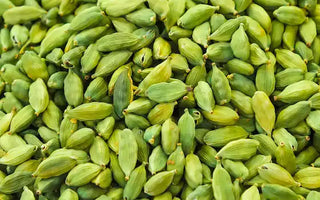
Organic Lemon Myrtle: Citrus, Bright Tangy, Intense Organic Tea Pods with Citral, Polyphenols

Organic Lemon Myrtle stars in Teavity USDA organic K-Cup tea pods with a citrus, bright tangy, intense profile, rich in citral, polyphenols. Traditionally valued for its potent lemon aroma and medicinal properties in herbal remedies. Brew a wellness-forward cup in your Keurig and shop blends featuring organic lemon myrtle at Teavity.com.

Scientific NameBackhousia citriodora
OriginAustralia
Native RegionAustralia
TasteCitrus, Bright Tangy, Intense
ColorBright Yellow
Key ComponentCitral, Polyphenols

Also known as

Lemon myrtleBackhousia citriodoraSweet verbena treeLemon-scented myrtleLemon-scented tea tree

Shop Teavity organic K-Cup blends with organic lemon myrtle — its potent lemon aroma and medicinal properties in…

Organic Lemon Myrtle packs a stronger citrus punch than lemon itself. It's perfect for lemon lovers and adds a crisp and clean taste to any blend.

Brewing tip

Brew Teavity organic lemon myrtle K-Cup pods at 8 oz for optimal extraction. USDA organic leaves release best flavor between 170–190°F—no milk needed unless noted on the blend.

Traditional use

Known for its potent lemon aroma and medicinal properties in herbal remedies.

Botany & composition

The Botany of Lemon Myrtle

Lemon Myrtle is a fruit harvested from a perennial flowering plant. The fruit develops from the flower's ovary after pollination and matures over a growing season, accumulating sugars, acids, and secondary metabolites that define its flavor profile and nutritional value.

The plant is cultivated in temperate, subtropical, or tropical regions depending on the species. Optimal growing conditions include adequate sunlight, well-drained soils with appropriate pH, and sufficient water availability during fruit development. Fruits are typically harvested at peak ripeness to maximize flavor compound development and then processed—through drying, freeze-drying, or concentration—for use in tea blends.

The active compounds in lemon myrtle include organic acids (citric, malic, ascorbic), sugars, dietary fiber, and a wide array of phytochemicals such as anthocyanins, flavonols, proanthocyanidins, and carotenoids. These compounds provide antioxidant activity through multiple mechanisms including direct free-radical scavenging, chelation of transition metals, and upregulation of endogenous antioxidant enzymes. The specific phytochemical profile varies by fruit species, with darker-colored fruits generally containing higher concentrations of anthocyanins.

Taste profile

Citrusy

Bright & Citrusy Teas

Bright & Citrusy Teas offer a refreshing and invigorating taste profile characterized by vibrant flavors of citrus fruits like lemon, orange, and lime. These teas deliver a zesty brightness that awakens the palate, co...

Fresh

Fresh & Invigorating Teas

Experience the vibrant taste profile of Fresh & Invigorating Teas. Bursting with natural flavors, these teas combine zesty citrus notes with refreshing herbal undertones, creating a lively and uplifting beverage. Idea...

Aromatic

Fragrant & Aromatic Teas

Fragrant & Aromatic Teas offer a delightful sensory experience with their rich, complex flavor profiles. These teas often feature floral notes, such as jasmine or hibiscus, combined with fruity undertones like citrus ...

Popular searches

bright tangybright tangy tea podscitralcitral tea podscitruscitrus tea podsintenseintense tea podsits potent lemon aroma and medicinal properties…k-cup teakeurig tea podslemon myrtle

Organic Lemon Myrtle

Scientifically known asBackhousia citriodora, Organic Lemon Myrtle is a remarkable herb that has captured the attention of health enthusiasts and wellness seekers alike. Native to Australia, this aromatic plant has a rich history and a diverse range of uses that span culinary, medicinal, and wellness applications.

History and Origin

Lemon Myrtle has been cherished by Indigenous Australians for centuries. Traditionally used for its therapeutic properties, it was often integrated into their daily lives as a natural remedy. The leaves of the Lemon Myrtle tree are rich in essential oils, contributing to its unique aroma and extract profile.

Common Names

This delightful herb is known by several names including Lemon Myrtle, Sweet Verbena Tree, and Lemon Scented Myrtaceae.

Native Regions

Primarily found in the subtropical rainforests of Queensland and New South Wales in Australia, Organic Lemon Myrtle thrives in warm climates with well-drained soil. Its natural habitat contributes to the vibrant extract and potent aroma that make it a favorite among herbalists.

Key Components

The key components of Organic Lemon Myrtle include citral (up to 90%), limonene, and other essential oils. Citral is responsible for the herb’s characteristic lemon scent and is also known for its antimicrobial properties.

Traditional Medicinal Uses

Historically, Indigenous Australians utilized Lemon Myrtle leaves to enhance respiratory health, treat colds or flus, and promote overall well-being. Infusions made from the leaves were commonly consumed for their soothing effects.

Wellness Applications

In modern wellness practices, Organic Lemon Myrtle is frequently incorporated into teas, essential oils, skincare products, and culinary dishes. It serves as an excellent ingredient for promoting relaxation through herbal teas or as a extractful addition to savory meals.

Aroma & Taste Profile

With its strong lemon fragrance reminiscent of fresh lemons with hints of minty sweetness, Organic Lemon Myrtle's aroma is both refreshing and uplifting. The taste is bright and zesty with an earthy undertone—perfect for enhancing beverages or culinary creations without overwhelming other extracts.

Incorporating Organic Lemon Myrtle into your daily routine could elevate your health journey while providing delightful sensory experiences. Explore its potential benefits today!

How It Supports Your Health

Shop Teavity teas with Organic Lemon Myrtle

1 organic K-Cup with this ingredient
Shop Organic Tea Best Sellers

Browse USDA Organic tea pods — free shipping on orders $49+.

View collection

Frequently Asked Questions

Which Teavity tea pods contain Organic Lemon Myrtle?

See the product grid above for every USDA Organic K-Cup blend that lists Organic Lemon Myrtle in its formula. Shop Shop Organic Tea Best Sellers or browse all ingredients.

What is Organic Lemon Myrtle also called?

Organic Lemon Myrtle is also known as Lemon myrtle, Backhousia citriodora, Sweet verbena tree, Lemon-scented myrtle, Lemon-scented tea tree.

What is the traditional use of Organic Lemon Myrtle?

Known for its potent lemon aroma and medicinal properties in herbal remedies.

How should I brew tea pods with Organic Lemon Myrtle?

Brew Teavity organic lemon myrtle K-Cup pods at 8 oz for optimal extraction. USDA organic leaves release best flavor between 170–190°F—no milk needed unless noted on the blend.

Are Teavity pods compatible with Keurig brewers?

Yes. Teavity organic tea pods work in Keurig 1.0, 2.0, and most K-Cup compatible brewers.

What health benefits is Organic Lemon Myrtle known for?

Review the health benefits section on this page and our wellness hub for research-backed context. Teas are not intended to diagnose, treat, cure, or prevent disease.

These statements have not been evaluated by the Food and Drug Administration. This product is not intended to diagnose, treat, cure, or prevent any disease.