Organic Licorice: Sweet, Earthy, Slightly Bitter Organic Tea Pods with Glycyrrhizin, Flavonoids

Organic Licorice stars in Teavity USDA organic K-Cup tea pods with a sweet, earthy, slightly bitter profile, rich in glycyrrhizin, flavonoids. Traditionally valued for soothing sore throats and boosting immunity. Brew a wellness-forward cup in your Keurig and shop blends featuring organic licorice at Teavity.com.

Scientific NameGlycyrrhiza glabra
OriginIndia
Native RegionMediterranean
TasteSweet, Earthy, Slightly Bitter
ColorEarthy Golden-Brown
Key ComponentGlycyrrhizin, Flavonoids

Also known as

Sweet rootGlycyrrhiza glabraLiquoriceLicorice rootGlycyrrhizaAniseSweetwoodSpanish licoriceChinese licoriceBlack licorice.

Shop Teavity organic K-Cup blends with organic licorice — soothing sore throats and boosting immunity.

Organic Licorice imparts a naturally sweet and earthy taste and serves as a functional way to boost sweetness without sugar while adding robust herbal health benefits.

Brewing tip

Brew Teavity organic licorice K-Cup pods at 8 oz for optimal extraction. USDA organic leaves release best flavor between 170–190°F—no milk needed unless noted on the blend.

Traditional use

Used traditionally for soothing sore throats and boosting immunity.

Botany & composition

The Botany of Licorice

Licorice is a spice derived from the bark, seeds, fruits, or roots of a tropical or subtropical plant. The spice is typically harvested at a specific stage of maturity to maximize the concentration of aromatic essential oils and pungent compounds that define its characteristic flavor and therapeutic properties.

The source plant is native to regions in South and Southeast Asia, the Middle East, or Central America, and requires warm temperatures, consistent rainfall, and well-drained, fertile soils for optimal growth. Many spice plants are harvested by hand, with the timing of harvest being critical—some spices are collected before the fruit ripens, while others require full maturity. Post-harvest processing often involves drying, fermentation, or heat treatment to develop the final flavor profile.

The bioactive compounds in licorice include a complex mixture of volatile essential oils, phenolic compounds, terpenoids, and alkaloids that give the spice its characteristic pungency, aroma, and health-supporting properties. These compounds act through multiple biological pathways including modulation of inflammatory mediators, antioxidant enzyme systems, digestive enzyme stimulation, and antimicrobial activity. Traditional use of spices for digestive health is supported by modern research showing carminative, antiemetic, and gut-modulating effects.

Taste profile

Sweet

Sweet & Smooth Teas

Discover the delightful taste profile of Sweet & Smooth Teas. These blends feature a harmonious balance of naturally sweet flavors with smooth undertones, creating a comforting and inviting experience. The gentle swee...

Earthy

Rich & Earthy Teas

Rich & Earthy Teas offer a robust flavor profile characterized by deep, grounding notes that evoke the essence of nature. These teas often feature earthy undertones from ingredients like rooibos, pu-erh, or herbal ble...

Bittersweet

Deep & Bittersweet Teas

Discover the unique taste profile of Deep & Bittersweet Teas, where rich, bold flavors intertwine with subtle sweetness. These teas offer a complex balance of deep, earthy notes complemented by hints of natural sweetn...

Popular searches

earthyearthy tea podsflavonoidsflavonoids tea podsglycyrrhizinglycyrrhizin tea podsk-cup teakeurig tea podslicoriceorganic licoriceorganic licorice soothing sore throats andorganic licorice tea pods

Introduction to Organic Licorice

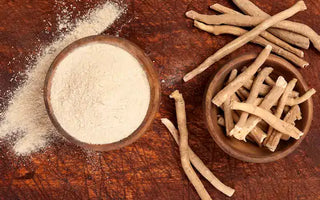
Organic licorice, scientifically known asGlycyrrhiza glabra, is a remarkable herb renowned for its rich extract and numerous health benefits. With a history steeped in traditional medicine, licorice has been cherished across various cultures for centuries.

History and Origin

The use of licorice dates back over 3,000 years, with roots traced to ancient Egypt, Greece, and China. It has been utilized not only as a sweetener but also as a potent medicinal herb. The plant thrives in temperate climates and is native to regions such as Europe, Asia, and the Mediterranean.

Common Names

  • Licorice Root
  • Sweet Wood
  • Liquorice (British spelling)

Key Components

Licorice contains several bioactive compounds, including glycyrrhizin, flavonoids, and saponins. Glycyrrhizin is responsible for its characteristic sweetness—approximately 50 times sweeter than sugar—and offers various therapeutic properties.

The health benefits of organic licorice are vast:

  • Aid Digestive Health:Helps soothe gastrointestinal issues like heartburn and indigestion.
  • Support Immune Function:Enhances the body's ability to fend off infections due to its antiviral properties.
  • Anti-Inflammatory Effects:May reduce inflammation and alleviate symptoms of conditions like arthritis.
  • Soothe Respiratory Issues:Commonly used in herbal teas to ease coughs and throat irritation.
  • Mood Support:May help balance stress hormones and improve mood through adaptogenic properties.

Traditional Medicinal Uses

Traditional uses of licorice include treating respiratory ailments such as bronchitis and coughs, as well as digestive disorders. Herbal practitioners often recommend it in formulations aimed at boosting overall wellness during cold seasons or stressful periods.

Wellness Applications

The versatility of organic licorice extends into modern wellness practices. It can be enjoyed as a tea infusion or incorporated into supplements for enhanced vitality. Its soothing aroma makes it an excellent ingredient in aromatherapy blends designed to promote relaxation.

Aroma and Taste Profile

The aroma of organic licorice is distinctly sweet with hints of earthiness that evoke a sense of warmth. Its taste profile features an intense sweetness with subtle herbal notes, making it a delightful addition to teas, candies, and culinary dishes alike.

Your Path to Wellness with Organic Licorice

Add organic licorice to your daily routine for its myriad health benefits while enjoying its delicious extract. Whether you're looking for digestive support or a natural way to enhance your immune system, this powerful herb is a perfect companion on your wellness journey!

Please consult with a healthcare professional before adding any new supplement or herbal remedy to your routine.

How It Supports Your Health

Shop Organic Tea Best Sellers

Browse USDA Organic tea pods — free shipping on orders $49+.

View collection

Frequently Asked Questions

Which Teavity tea pods contain Organic Licorice?

See the product grid above for every USDA Organic K-Cup blend that lists Organic Licorice in its formula. Shop Shop Organic Tea Best Sellers or browse all ingredients.

What is Organic Licorice also called?

Organic Licorice is also known as Sweet root, Glycyrrhiza glabra, Liquorice, Licorice root, Glycyrrhiza, Anise, Sweetwood, Spanish licorice, Chinese licorice, Black licorice..

What is the traditional use of Organic Licorice?

Used traditionally for soothing sore throats and boosting immunity.

How should I brew tea pods with Organic Licorice?

Brew Teavity organic licorice K-Cup pods at 8 oz for optimal extraction. USDA organic leaves release best flavor between 170–190°F—no milk needed unless noted on the blend.

Are Teavity pods compatible with Keurig brewers?

Yes. Teavity organic tea pods work in Keurig 1.0, 2.0, and most K-Cup compatible brewers.

What health benefits is Organic Licorice known for?

Review the health benefits section on this page and our wellness hub for research-backed context. Teas are not intended to diagnose, treat, cure, or prevent disease.

These statements have not been evaluated by the Food and Drug Administration. This product is not intended to diagnose, treat, cure, or prevent any disease.