Organic Pepper: Spicy, Pungent, Warm, Sharp Organic Tea Pods with Piperine, Antioxidants

Organic Pepper stars in Teavity USDA organic K-Cup tea pods with a spicy, pungent, warm, sharp profile, rich in piperine, antioxidants. Traditionally valued for often used in teas to enhance bioavailability of other ingredients, such as turmeric. Brew a wellness-forward cup in your Keurig and shop blends featuring organic pepper at Teavity.com.

Scientific NamePiper nigrum
OriginIndia
Native RegionWestern Ghats, India
TasteSpicy, Pungent, Warm, Sharp
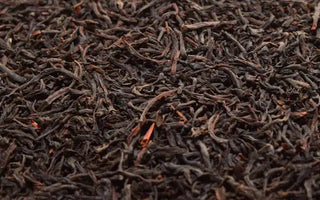
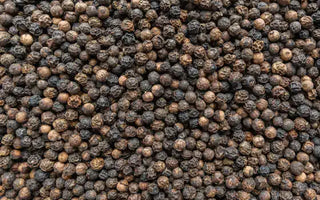
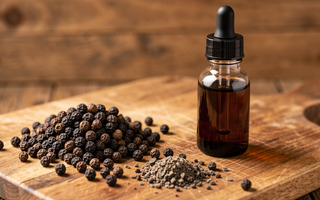
ColorJet Black (Cracked Peppercorn)
Key ComponentPiperine, Antioxidants

Also known as

Organic PepperBell PepperSweet PepperCapsicumPaprikaChili PepperPimentoAnaheim PepperJalapeñoHabaneroSerrano PepperBanana PepperCubanelle PepperPepperonciniFresno Pepper

Shop Teavity organic K-Cup blends with organic pepper — often used in teas to enhance bioavailability of other….

Organic Black Pepper introduces a gentle heat and subtle spice to tea blends, warming the palate without overpowering. Its sharp, pungent notes enhance chai blends and complement sweet and citrus flavors alike.

Brewing tip

Brew organic pepper Teavity pods on 6–8 oz for a bold, warming cup. Add honey after brewing to complement its spicy, pungent, warm, sharp notes.

Traditional use

Often used in teas to enhance bioavailability of other ingredients, such as turmeric.

Botany & composition

The Botany of Pepper

Pepper is a spice derived from the bark, seeds, fruits, or roots of a tropical or subtropical plant. The spice is typically harvested at a specific stage of maturity to maximize the concentration of aromatic essential oils and pungent compounds that define its characteristic flavor and therapeutic properties.

The source plant is native to regions in South and Southeast Asia, the Middle East, or Central America, and requires warm temperatures, consistent rainfall, and well-drained, fertile soils for optimal growth. Many spice plants are harvested by hand, with the timing of harvest being critical—some spices are collected before the fruit ripens, while others require full maturity. Post-harvest processing often involves drying, fermentation, or heat treatment to develop the final flavor profile.

The bioactive compounds in pepper include a complex mixture of volatile essential oils, phenolic compounds, terpenoids, and alkaloids that give the spice its characteristic pungency, aroma, and health-supporting properties. These compounds act through multiple biological pathways including modulation of inflammatory mediators, antioxidant enzyme systems, digestive enzyme stimulation, and antimicrobial activity. Traditional use of spices for digestive health is supported by modern research showing carminative, antiemetic, and gut-modulating effects.

Taste profile

Spicy

Warming & Spicy Teas

Warming & Spicy Teas offer a rich and invigorating taste profile, characterized by bold flavors like cinnamon, ginger, cardamom, and cloves. These teas provide a comforting warmth with each sip, perfect for boosting c...

Warm

Warm & Comforting Teas

Warm & Comforting Teas offer a cozy, soothing taste experience that wraps you in comfort with every sip. Featuring notes of cinnamon, ginger, and baking spices, these teas are perfect for cool days and quiet eveni...

Robust

Full-bodied & Robust Teas

Experience the rich and bold flavor of full-bodied and robust teas, characterized by their deep, intense taste and invigorating aroma. These teas often feature malty, earthy, or smoky notes, making them perfect for th...

Popular searches

Often used in teas to enhance bioavailability of…antioxidantsantioxidants tea podsk-cup teakeurig tea podsorganic organic pepperorganic pepperorganic pepper Often used in teasorganic pepper tea podspepperpiperinepiperine tea pods

Organic Pepper: A Comprehensive Overview

Organic pepper, scientifically known asPiper nigrum, is one of the most widely used spices in the world. Known for its pungent extract and aroma, it has been an essential ingredient in culinary traditions across the globe. Often referred to as "black gold," organic pepper has a rich history dating back thousands of years and continues to be revered for its culinary and medicinal properties.

History and Origin

The use of organic pepper dates back to ancient civilizations. Its origins trace back to the tropical regions of South India, specifically the Malabar Coast, where it was cultivated as early as 2000 BCE. Pepper was highly valued in trade routes, making it a sought-after commodity in ancient Rome and medieval Europe. It played a significant role in shaping global trade dynamics and even influenced explorations during the Age of Discovery.

Common Names

Organic pepper is commonly known by various names including black pepper, white pepper (processed from ripe berries), and green pepper (unripe berries). Each variant offers unique culinary applications.

Native Regions

While native to India, organic pepper is now grown in several tropical regions around the world, including Vietnam, Indonesia, Brazil, and Madagascar. These areas provide optimal growing conditions with warm climates and well-drained soils.

Key Components

Organic pepper contains key active compounds such as piperine, which contributes to its distinct extract profile and health benefits. Additionally, it includes essential oils that enhance its aroma and taste.

Traditional Medicinal Uses

Historically, organic pepper has been used in traditional medicine systems such as Ayurveda for its therapeutic properties. It has been utilized to treat respiratory issues, digestive problems, and even skin conditions due to its antibacterial properties.

Wellness Applications

In wellness practices today, organic pepper is often included in detox regimens due to its ability to stimulate circulation and metabolism. It's frequently found in herbal teas aimed at enhancing digestion or boosting immunity.

Aroma and Taste Profile

The aroma of organic pepper is spicy with earthy undertones that can invigorate any dish. Its pungent taste adds depth and complexity; it provides a sharp heat that can range from mild to intense depending on the type used.

Embrace the power of organic pepper by incorporating this versatile ingredient into your diet for both extract enhancement and potential health benefits.

whether sprinkled on dishes or brewed into wellness teas like Teavity Tea blends featuring natural ingredients alongside this spice powerhouse—organic pepper can elevate your culinary experience while supporting your overall well-being!

How It Supports Your Health

Shop Organic Tea Best Sellers

Browse USDA Organic tea pods — free shipping on orders $49+.

View collection

Frequently Asked Questions

Which Teavity tea pods contain Organic Pepper?

See the product grid above for every USDA Organic K-Cup blend that lists Organic Pepper in its formula. Shop Shop Organic Tea Best Sellers or browse all ingredients.

What is Organic Pepper also called?

Organic Pepper is also known as Organic Pepper, Bell Pepper, Sweet Pepper, Capsicum, Paprika, Chili Pepper, Pimento, Anaheim Pepper, Jalapeño, Habanero, Serrano Pepper, Banana Pepper, Cubanelle Pepper, Pepperoncini, Fresno Pepper.

What is the traditional use of Organic Pepper?

Often used in teas to enhance bioavailability of other ingredients, such as turmeric.

How should I brew tea pods with Organic Pepper?

Brew organic pepper Teavity pods on 6–8 oz for a bold, warming cup. Add honey after brewing to complement its spicy, pungent, warm, sharp notes.

Are Teavity pods compatible with Keurig brewers?

Yes. Teavity organic tea pods work in Keurig 1.0, 2.0, and most K-Cup compatible brewers.

What health benefits is Organic Pepper known for?

Review the health benefits section on this page and our wellness hub for research-backed context. Teas are not intended to diagnose, treat, cure, or prevent disease.

These statements have not been evaluated by the Food and Drug Administration. This product is not intended to diagnose, treat, cure, or prevent any disease.