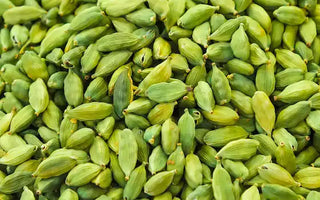
Organic Safflowers: Nutty, Creamy, Sweet Organic Tea Pods with Linoleic Acid, Flavonoids

Organic Safflowers stars in Teavity USDA organic K-Cup tea pods with a nutty, creamy, sweet profile, rich in linoleic acid, flavonoids. Traditionally valued for improving blood circulation and enhancing skin health. Brew a wellness-forward cup in your Keurig and shop blends featuring organic safflowers at Teavity.com.

Scientific NameCarthamus tinctorius
OriginIndia
Native RegionSouth Asia
TasteNutty, Creamy, Sweet
ColorBright Yellow (Vivid)
Key ComponentLinoleic Acid, Flavonoids

Also known as

SafflowerCarthamus tinctoriusFalse saffronSaffron thistleBastard saffronAmerican saffronYellow thistle

Shop Teavity organic K-Cup blends with organic safflowers — improving blood circulation and enhancing skin health.

Shredded, organic coconut adds a creamy, nutty sweetness to tea, best paired with tropical fruit or dessert blends. Perfect for creating smooth, indulgent sips of tea.

Brewing tip

Brew Teavity organic safflowers K-Cup pods at 8 oz for optimal extraction. USDA organic leaves release best flavor between 170–190°F—no milk needed unless noted on the blend.

Traditional use

Traditionally used for improving blood circulation and enhancing skin health.

Botany & composition

The Botany of Safflowers

Safflowers is a flowering plant whose petals or whole flower heads are harvested for use in herbal preparations. The flowers are typically bright-colored to attract pollinators and contain specialized cells that produce volatile aromatic compounds, pigments, and other secondary metabolites.

The plant is native to temperate or subtropical regions and thrives in full sun with well-drained soils. Flowers are harvested at or just before peak bloom when the concentration of active compounds is highest. After harvesting, the flowers are carefully dried in shaded, well-ventilated conditions to preserve their color, aroma, and phytochemical content. The drying process must be carefully controlled to prevent degradation of heat-sensitive compounds.

The key active constituents in safflowers include anthocyanins and carotenoids (responsible for flower color), volatile essential oils (responsible for aroma), flavonoids, mucilage, and organic acids. These compounds collectively contribute anti-inflammatory, antioxidant, and soothing properties. The colorful flower petals also add visual appeal to tea blends and provide a subtle, floral taste note that complements other ingredients.

Taste profile

Nutty

Nutty & Toasted Teas

Discover the rich flavor profile of Nutty & Toasted Teas, characterized by warm, earthy notes and a delightful crunch. These teas offer a harmonious blend of roasted nuts and toasted grains, providing a comforting aro...

Creamy

Smooth & Creamy Teas

Discover the exquisite taste profile of Smooth & Creamy Teas, characterized by a velvety texture and rich flavor. These teas often feature notes of sweet vanilla, buttery undertones, and subtle nutty hints. Ideal for ...

Sweet

Sweet & Smooth Teas

Discover the delightful taste profile of Sweet & Smooth Teas. These blends feature a harmonious balance of naturally sweet flavors with smooth undertones, creating a comforting and inviting experience. The gentle swee...

Popular searches

creamycreamy tea podsflavonoidsflavonoids tea podsimproving blood circulation and enhancing skin…k-cup teakeurig tea podslinoleic acidlinoleic acid tea podsnuttynutty tea podsorganic organic safflowers

Organic Safflowers: Nature's Golden Treasure

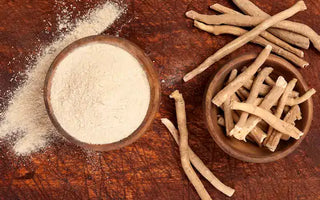
Organic safflowers, scientifically known asCarthamus tinctorius, have a rich history that dates back thousands of years. Originally cultivated in ancient Egypt and China, these vibrant flowers were prized not only for their beauty but also for their medicinal properties and culinary uses. Commonly referred to as safflower, it is often recognized by its bright yellow and orange blossoms.

Origin and Native Regions

Safflowers are believed to be native to regions of the Mediterranean and parts of Asia. Today, they thrive in various climates worldwide, including North America, Europe, and India. This adaptability makes safflowers a popular choice for organic farming practices.

Key Components

The remarkable health benefits of organic safflowers stem from their rich composition. They are high in essential fatty acids, particularly linoleic acid (omega-6), which plays a crucial role in heart health. Additionally, safflowers contain antioxidants such as flavonoids and phenolic compounds that combat oxidative stress.

Traditional Medicinal Uses

Safflower has been celebrated in traditional medicine systems like Ayurveda for its ability to improve circulation and alleviate menstrual discomfort. Its anti-inflammatory properties make it a valuable ally in natural remedies.

Wellness Applications

The versatility of organic safflowers extends into modern wellness routines. From cooking oils to herbal teas, the incorporation of this ingredient can enhance overall well-being while offering a delightful taste experience.

Aroma and Taste Profile

The aroma of organic safflowers is subtle yet pleasant, with earthy undertones that enhance various dishes. Its taste profile is mild with slightly nutty notes, making it an excellent addition to salads or smoothies without overpowering other extracts.

Your Path to Wellness with Organic Safflowers

Add organic safflowers to your daily routine today! Whether you’re looking for a natural way to support heart health or simply want to enjoy its delicious extract, this extraordinary ingredient offers countless benefits worth exploring!

How It Supports Your Health

Shop Teavity teas with Organic Safflowers

1 organic K-Cup with this ingredient
Shop Organic Tea Best Sellers

Browse USDA Organic tea pods — free shipping on orders $49+.

View collection

Frequently Asked Questions

Which Teavity tea pods contain Organic Safflowers?

See the product grid above for every USDA Organic K-Cup blend that lists Organic Safflowers in its formula. Shop Shop Organic Tea Best Sellers or browse all ingredients.

What is Organic Safflowers also called?

Organic Safflowers is also known as Safflower, Carthamus tinctorius, False saffron, Saffron thistle, Bastard saffron, American saffron, Yellow thistle.

What is the traditional use of Organic Safflowers?

Traditionally used for improving blood circulation and enhancing skin health.

How should I brew tea pods with Organic Safflowers?

Brew Teavity organic safflowers K-Cup pods at 8 oz for optimal extraction. USDA organic leaves release best flavor between 170–190°F—no milk needed unless noted on the blend.

Are Teavity pods compatible with Keurig brewers?

Yes. Teavity organic tea pods work in Keurig 1.0, 2.0, and most K-Cup compatible brewers.

What health benefits is Organic Safflowers known for?

Review the health benefits section on this page and our wellness hub for research-backed context. Teas are not intended to diagnose, treat, cure, or prevent disease.

These statements have not been evaluated by the Food and Drug Administration. This product is not intended to diagnose, treat, cure, or prevent any disease.