


Best Pre-Workout Tea for Natural Energy: A Complete Guide
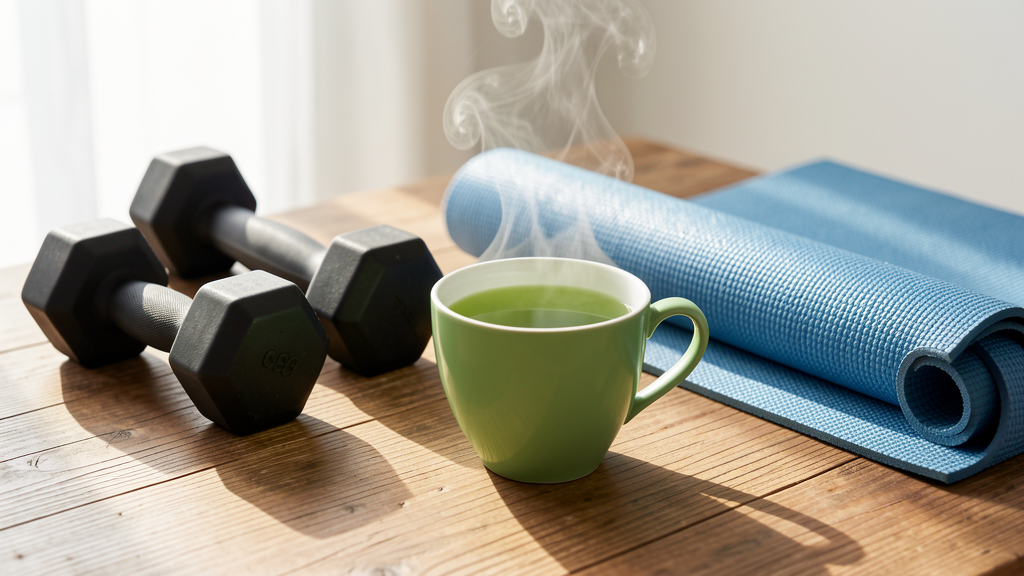
For fitness enthusiasts looking to optimize their training sessions, finding the right pre-workout fuel can make all the difference. While synthetic pre-workout powders dominate supplement shelves, an increasing number of athletes and gym-goers are turning to a more natural alternative: tea. The best pre-workout tea for natural energy delivers caffeine, antioxidants, and hydration without the jitters or crash associated with many artificial supplements.
Ingredient deep-dive: Learn how Matcha Green Tea and Yerba Mate works in organic tea — plus browse all 89 ingredients.
Shop by wellness goal: Explore Teavity organic tea pods for Stress Relief and Energy Boost — USDA Organic K-Cup blends matched to your health goals.
Why Tea Works as a Pre-Workout
Tea offers a unique combination of compounds that make it exceptionally well-suited as a pre-workout beverage. Unlike coffee, which delivers a rapid spike and subsequent drop in energy, tea contains L-theanine — an amino acid that promotes calm focus while working synergistically with caffeine. This combination results in what researchers call "alert calmness," perfect for maintaining concentration during intense exercise.
The caffeine content in tea varies by variety. A typical cup of black tea contains 40-70 mg of caffeine, while green tea provides 20-45 mg per cup. For most people, this is sufficient to enhance athletic performance without crossing the threshold into overstimulation. The Organic English Breakfast tea pods offer a robust caffeine kick if you prefer a stronger pre-workout option.
Top Tea Varieties for Pre-Workout Energy
1. Yerba Mate — The Athlete's Choice
Yerba mate stands out as perhaps the best pre-workout tea for natural energy due to its unique alkaloid profile. It contains mateine (a caffeine analogue), theobromine, and theophylline — three compounds that work together to provide sustained energy without the common side effects of coffee. Studies suggest yerba mate can improve physical performance by enhancing fat oxidation during exercise, making it particularly valuable for endurance athletes.
We recommend trying Organic Yerba Mate Pods for a convenient Keurig-compatible option, or the Organic Mint Yerba Mate for a refreshing twist that's especially invigorating before morning workouts.
2. Green Tea — Metabolism Booster
Green tea is widely recognized for its thermogenic properties. The catechins in green tea, particularly epigallocatechin gallate (EGCG), help increase fat oxidation during exercise. A study published in the Journal of the International Society of Sports Nutrition found that consuming green tea extract before exercise increased fat burning by up to 17% compared to a placebo.
For a quick pre-workout cup, try Organic Green Tea Pods that work with your Keurig. For a more traditional preparation, Organic Sencha Green Tea offers a clean, grassy flavor profile with a gentle caffeine lift.
3. Matcha — Sustained Energy Release
Matcha is shade-grown green tea ground into a fine powder, meaning you consume the entire leaf rather than just the infusion. This delivers a more concentrated dose of both caffeine and L-theanine. The result is a sustained energy release lasting 4-6 hours — ideal for long training sessions or competition days. The Organic Matcha Green Tea Powder is ceremonial grade and perfect for whisking into your pre-workout ritual.
How to Prepare Your Pre-Workout Tea
Timing and preparation matter. Drink your pre-workout tea 30-45 minutes before exercise to allow caffeine absorption. Use water just below boiling (175-185°F for green tea, 195-205°F for yerba mate) and steep for 3-5 minutes. Avoid adding milk or sugar, which can slow absorption and add unnecessary calories.
The Science Behind Tea and Exercise Performance
Multiple mechanisms explain why the best pre-workout tea for natural energy can enhance your training. Caffeine blocks adenosine receptors, reducing perceived effort and delaying fatigue. The polyphenols in tea support nitric oxide production, improving blood flow and oxygen delivery to working muscles. Meanwhile, the hydration provided by a cup of tea — approximately 95% water — supports proper thermoregulation during exercise.
A 2020 meta-analysis in Nutrients concluded that caffeine consumption 30-60 minutes before exercise improved endurance performance by 3-7% across multiple studies. When combined with the antioxidant and anti-inflammatory properties of tea polyphenols, the case for tea as a pre-workout beverage becomes compelling.
External resource: PubMed — Caffeine and Exercise Performance Meta-Analysis
Practical Pre-Workout Tea Routine
Here's a simple protocol to integrate tea into your fitness regimen:
- Morning workout: Brew a cup of yerba mate or matcha. The combination of caffeine and L-theanine will sharpen your focus for early training.
- Afternoon session: Green tea offers enough caffeine for an energy boost without interfering with sleep. Try the Organic Tulsi Green Tea for added adaptogenic benefits.
- Evening training: Lower-caffeine options like white tea or a second steep of green tea can provide a gentle lift without keeping you awake.
Comparison: Tea vs. Traditional Pre-Workout Powders
Commercial pre-workout supplements often contain artificial sweeteners, high doses of synthetic caffeine (200-400 mg per serving), beta-alanine (causing tingling sensations), and proprietary blends with limited research backing. In contrast, the best pre-workout tea for natural energy offers a whole-food source of caffeine along with hundreds of beneficial phytonutrients. Tea also supports hydration rather than potentially contributing to dehydration through high stimulant loads.
Final Thoughts
Whether you're a seasoned athlete or just beginning your fitness journey, incorporating tea as part of your pre-workout strategy is a simple, evidence-based way to enhance performance naturally. Start with 1-2 cups 30-45 minutes before exercise, pay attention to how your body responds, and adjust variety and strength according to your tolerance and goals.
Explore the full range of premium organic teas at Teavity, including the Organic Roasted Yerba Mate, which offers a rich, toasty flavor perfect for pre-workout enjoyment. For those interested in the traditional tea experience, Organic Oolong Tea provides a beautiful middle ground between green and black tea in both flavor and caffeine content.
External resource: Examine.com — Green Tea Evidence-Based Review
Yerba Mate vs Green Tea for Fitness: Which Is Better for Your Workout?
Best Time to Drink Tea for Weight Loss: A Complete Daily Schedule
Related Posts

Best Pre-Workout Tea for Energy Without the Jitters

Calming Tea That Won't Make You Drowsy: Focus Without Fatigue

Yerba Mate Before a Workout: Natural Pre-Workout Energy Without the Jitters

Post-Workout Tea for Muscle Recovery: Natural Herbal Blends for Replenishment and Repair

Matcha vs Coffee for Focus and Productivity: Which Natural Energy Boost Is Better for Your Workday?

Best Tea for Yoga and Meditation: Enhance Your Practice with Calm Focus

How Much Green Tea Per Day for Weight Loss and Athletic Performance: The Optimal Dosage
