


Yerba Mate vs Green Tea for Fitness: Which Is Better for Your Workout?
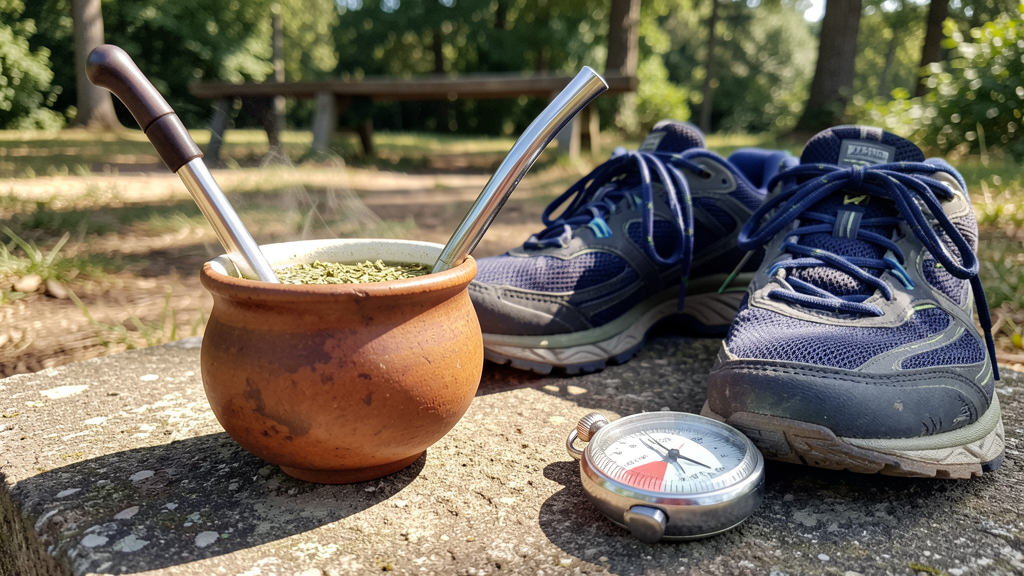
When it comes to natural pre-workout beverages, two contenders consistently rise to the top: yerba mate and green tea. Both have passionate followings among athletes and fitness enthusiasts, but the yerba mate vs green tea debate deserves a thorough examination. This article compares these two powerhouse teas across multiple dimensions relevant to fitness performance, helping you choose the right option for your training needs.
Ingredient deep-dive: Learn how Peppermint and Matcha Green Tea works in organic tea — plus browse all 89 ingredients.
Shop by wellness goal: Explore Teavity organic tea pods for Immune System Support and Stress Relief — USDA Organic K-Cup blends matched to your health goals.
Caffeine Content and Energy Profile
The most immediate difference between yerba mate and green tea is their caffeine content and how that caffeine affects the body. A standard cup of yerba mate contains 30-90 mg of caffeine, while green tea provides 20-45 mg per cup. However, caffeine content alone doesn't tell the full story.
Yerba mate contains a unique compound called mateine, structurally similar to caffeine but bound to other phytochemicals that modulate its release. Many yerba mate drinkers report a smoother, more sustained energy without the "jittery" feeling sometimes associated with coffee or high doses of green tea. The Organic Yerba Mate Pods deliver this balanced energy in a convenient format.
Nutritional Comparison for Athletes
In the yerba mate vs green tea comparison for athletic performance, nutrition matters. Yerba mate is notably rich in B vitamins, manganese, potassium, and zinc — minerals that support energy metabolism and muscle function. It also contains 15 amino acids and several antioxidants not found in green tea.
Green tea excels in its catechin content, particularly EGCG, which research shows can increase fat oxidation during exercise by up to 17%. Green tea also contains higher levels of L-theanine, the amino acid responsible for the calm, focused state prized by meditators and athletes alike.
The Organic Mint Yerba Mate offers a refreshing option that combines the nutritional benefits of yerba mate with the invigorating properties of peppermint, making it an excellent choice for morning workouts.
Impact on Exercise Performance
Endurance Performance
Both teas have demonstrated benefits for endurance exercise. Yerba mate's ability to increase fat oxidation spares glycogen stores, potentially delaying fatigue during long training sessions. A study in the Journal of the International Society of Sports Nutrition found that yerba mate supplementation improved cycling time trial performance.
Green tea's catechins support nitric oxide production, which improves blood flow and oxygen delivery to working muscles. This can enhance both endurance and recovery between sets.
Strength and Power
For strength training, the caffeine in both teas can reduce perceived exertion and improve power output. The Organic Roasted Yerba Mate provides a rich, earthy flavor that many strength athletes prefer due to its robust caffeine content and mineral profile.
Fat Burning
Green tea has the edge for targeted fat burning, thanks to its high EGCG content. However, yerba mate also promotes fat oxidation through its unique alkaloid profile. The combination of both teas throughout the day could provide comprehensive metabolic support.
Taste and Preparation
In the yerba mate vs green tea taste comparison, yerba mate offers an earthy, smoky flavor that can be an acquired taste. Traditional preparation involves a gourd and bombilla (filtered straw), though modern tea bags and pods make it accessible. Green tea provides a cleaner, grassier flavor that many find more approachable.
For those who want variety, Organic Oolong Tea sits between green and black tea in oxidation, offering a middle ground in both flavor and caffeine content.
Antioxidant Profiles
Both teas are rich in antioxidants but with different profiles. Yerba mate contains saponins, chlorogenic acid, and quercetin — compounds researched for anti-inflammatory and cardioprotective effects. Green tea provides catechins, particularly EGCG, which has been extensively studied for its anti-cancer and metabolic benefits.
The Organic Green Tea Pods offer a convenient way to get your daily dose of catechins, while our yerba mate options ensure you benefit from the unique antioxidant profile of South America's most famous herbal tea.
Which Should You Choose?
The choice between yerba mate and green tea ultimately depends on your specific needs:
- Choose yerba mate if: You want stronger, more sustained energy for endurance activities; you value additional minerals and B vitamins; you prefer a richer, earthier flavor profile.
- Choose green tea if: Your primary goal is maximizing fat oxidation and metabolic rate; you value L-theanine for calm focus; you prefer a lighter, more delicate flavor.
Many athletes find that rotating between both provides the benefits of each. Consider starting with Organic Tulsi Green Tea for stress management and the Organic Moringa Green Tea for additional nutritional support.
Practical Integration into Your Fitness Routine
Here's a sample routine combining both teas:
- Morning: Yerba mate for sustained energy and mineral support before your workout.
- Midday: Green tea for a gentle metabolic boost and antioxidant protection.
- Pre-workout (afternoon): A second cup of yerba mate or a serving of matcha for focused energy.
The Organic Matcha Green Tea Powder can serve as a bridge between the two, offering green tea's catechins with a concentration closer to yerba mate's caffeine content.
External resource: PubMed — Yerba Mate and Exercise Performance Study
Final Verdict
There's no universal winner in the yerba mate vs green tea debate — both are exceptional choices for fitness enthusiasts. The best approach is to experiment with both and observe how your body responds. Teavity offers premium organic options in both categories, from our Organic Pu'erh Tea for those who enjoy aged, fermented flavors, to our Slim Tea Immune Focus for comprehensive wellness support.
External resource: Examine.com — Yerba Mate Evidence-Based Review
Post-Workout Tea for Recovery: Natural Anti-Inflammatory Drinks for Athletes
Best Pre-Workout Tea for Natural Energy: A Complete Guide
Related Posts

Best Pre-Workout Tea for Energy Without the Jitters

Calming Tea That Won't Make You Drowsy: Focus Without Fatigue

Yerba Mate Before a Workout: Natural Pre-Workout Energy Without the Jitters

Post-Workout Tea for Muscle Recovery: Natural Herbal Blends for Replenishment and Repair

Matcha vs Coffee for Focus and Productivity: Which Natural Energy Boost Is Better for Your Workday?

Best Tea for Yoga and Meditation: Enhance Your Practice with Calm Focus

How Much Green Tea Per Day for Weight Loss and Athletic Performance: The Optimal Dosage
