Organic Tulsi: Spicy, Herbaceous, Warm, Peppery Organic Tea Pods with Eugenol, Polyphenols

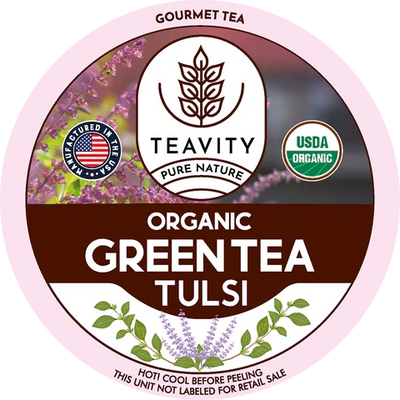
Organic Tulsi stars in Teavity USDA organic K-Cup tea pods with a spicy, herbaceous, warm, peppery profile, rich in eugenol, polyphenols. Traditionally valued for revered in ayurvedic medicine for its adaptogenic and immune-boosting properties. Brew a wellness-forward cup in your Keurig and shop blends featuring organic tulsi at Teavity.com.

Scientific NameOcimum tenuiflorum
OriginIndia
Native RegionIndia
TasteSpicy, Herbaceous, Warm, Peppery
ColorPale Green (Holy Basil)
Key ComponentEugenol, Polyphenols

Also known as

Holy BasilTulsiOcimum sanctumOcimum tenuiflorumSacred BasilKrishna TulsiRama TulsiVana TulsiTulasiTulsi Shree.

Shop Teavity organic K-Cup blends with organic tulsi — revered in ayurvedic medicine for its adaptogenic and….

Organic Tulsi (Holy Basil) offers a warm, slightly spicy, and herbaceous flavor profile with hints of clove and pepper. Revered in Ayurveda as an adaptogen, it brings a grounding, calming quality to every cup.

Brewing tip

Brew organic tulsi Teavity pods on 6–8 oz for a bold, warming cup. Add honey after brewing to complement its spicy, herbaceous, warm, peppery notes.

Traditional use

Revered in Ayurvedic medicine for its adaptogenic and immune-boosting properties.

Botany & composition

The Botany of Tulsi

Tulsi is an aromatic herb belonging to the Lamiaceae (mint) or related botanical families. It is a perennial flowering plant characterized by its square stems, opposite leaves, and small two-lipped flowers. The plant produces essential oil-containing glands on the surface of its leaves and stems that give it its characteristic fragrance.

Native to Mediterranean and temperate regions, tulsi thrives in full sun to partial shade with well-drained, moderately fertile soil. It spreads readily through both seeds and rhizomatous root systems, making it a vigorous grower that can naturalize quickly in suitable climates. Harvest occurs just before flowering when essential oil content is at its peak, and the aerial parts are typically dried gently to preserve volatile compounds.

The primary active constituents in tulsi include volatile essential oils (terpenes, alcohols, and esters), flavonoids, phenolic acids such as rosmarinic acid, and triterpenoids. These compounds exhibit a range of biological activities including antioxidant, anti-inflammatory, antimicrobial, and carminative effects. The aromatic compounds interact with olfactory receptors to produce calming or stimulating effects, while the phenolic compounds contribute to the herb's free-radical scavenging capacity.

Taste profile

Warm

Warm & Comforting Teas

Warm & Comforting Teas offer a cozy, soothing taste experience that wraps you in comfort with every sip. Featuring notes of cinnamon, ginger, and baking spices, these teas are perfect for cool days and quiet eveni...

Earthy

Rich & Earthy Teas

Rich & Earthy Teas offer a robust flavor profile characterized by deep, grounding notes that evoke the essence of nature. These teas often feature earthy undertones from ingredients like rooibos, pu-erh, or herbal ble...

Herbal

Herbal Teas

Discover the rich and diverse taste profile of herbal teas, known for their unique flavors and aromatic blends. Herbal teas often feature a symphony of tastes ranging from floral and fruity to earthy and spicy. Ingred...

Popular searches

Revered in Ayurvedic medicine for its…eugenoleugenol tea podsherbaceousherbaceous tea podsk-cup teakeurig tea podsorganic organic tulsiorganic tulsiorganic tulsi Revered in Ayurvedic medicineorganic tulsi tea podspeppery

Organic Tulsi

Organic Tulsi, also known as Holy Basil (Ocimum sanctum), is a revered herb with a rich history and an array of health benefits. This aromatic plant, native to the Indian subcontinent, has been cultivated for thousands of years not only for its culinary uses but also for its potent medicinal properties.

History and Origin

Tulsi has deep roots in Ayurvedic medicine, where it is often referred to as "The Queen of Herbs." It holds significant spiritual importance in Hinduism and is commonly grown in households across India. The plant thrives in tropical climates and can be found in various forms around the world today.

Common Names

  • Holy Basil
  • Sacred Basil
  • Tulasi

Native Regions

Tulsi is predominantly found in India but has spread to various parts of Southeast Asia and beyond. Its adaptability allows it to flourish in different environmental conditions.

Key Components

The key components of Organic Tulsi include:

  • Essential oils (eugenol, rosmarinic acid)
  • Vitamins A and C
  • Minerals like calcium, iron, and magnesium

Organic Tulsi offers numerous health benefits:

  1. Stress Relief:Known for its adaptogenic properties, Tulsi helps the body cope with stress.
  2. Immune Support:Packed with antioxidants, it boosts the immune system.
  3. Anti-inflammatory Properties:Reduces inflammation throughout the body.
  4. Respiratory Health:Aids in alleviating respiratory ailments such as asthma and bronchitis.
  5. Digesive Wellness:Supports digestive health by reducing bloating and gas.

Traditional Medicinal Uses

In traditional medicine systems, Tulsi has been used for centuries to treat colds, fevers, headaches, and digestive issues. It is also believed to promote longevity and improve overall well-being.

Wellness Applications

Modern wellness enthusiasts incorporate Organic Tulsi into their routines through tea infusions, supplements, or essential oil applications. It's celebrated for enhancing mental clarity while promoting relaxation—a perfect addition to any wellness regimen.

Aroma and Taste Profile

Organic Tulsi boasts a sweet yet peppery aroma with hints of clove-like spiciness. Its extract profile is unique; it combines slightly minty notes with a warm undertone that enhances both food dishes and beverages alike—making it a delightful ingredient for herbal teas.

Incorporating Organic Tulsi into your daily routine can elevate your health naturally while providing an aromatic experience that soothes the mind. Embrace this magical herb as part of your journey towards holistic wellness!

How It Supports Your Health

Shop Organic Tea Best Sellers

Browse USDA Organic tea pods — free shipping on orders $49+.

View collection

Frequently Asked Questions

Which Teavity tea pods contain Organic Tulsi?

See the product grid above for every USDA Organic K-Cup blend that lists Organic Tulsi in its formula. Shop Shop Organic Tea Best Sellers or browse all ingredients.

What is Organic Tulsi also called?

Organic Tulsi is also known as Holy Basil, Tulsi, Ocimum sanctum, Ocimum tenuiflorum, Sacred Basil, Krishna Tulsi, Rama Tulsi, Vana Tulsi, Tulasi, Tulsi Shree..

What is the traditional use of Organic Tulsi?

Revered in Ayurvedic medicine for its adaptogenic and immune-boosting properties.

How should I brew tea pods with Organic Tulsi?

Brew organic tulsi Teavity pods on 6–8 oz for a bold, warming cup. Add honey after brewing to complement its spicy, herbaceous, warm, peppery notes.

Are Teavity pods compatible with Keurig brewers?

Yes. Teavity organic tea pods work in Keurig 1.0, 2.0, and most K-Cup compatible brewers.

What health benefits is Organic Tulsi known for?

Review the health benefits section on this page and our wellness hub for research-backed context. Teas are not intended to diagnose, treat, cure, or prevent disease.

These statements have not been evaluated by the Food and Drug Administration. This product is not intended to diagnose, treat, cure, or prevent any disease.